Muscle, Aesthetics, and the Evolution of the Ideal Physique
The Pursuit of Symmetry
Muscle symmetry has long been at the heart of what defines an impressive physique. Beyond sheer size or strength, symmetry represents balance, proportion, and harmony—qualities that have been admired for thousands of years. From ancient Greek sculptures to the golden age of bodybuilding and into modern fitness culture, the pursuit of a perfectly balanced body has remained a constant standard of excellence.
The Greek Ideal: Where It All Began
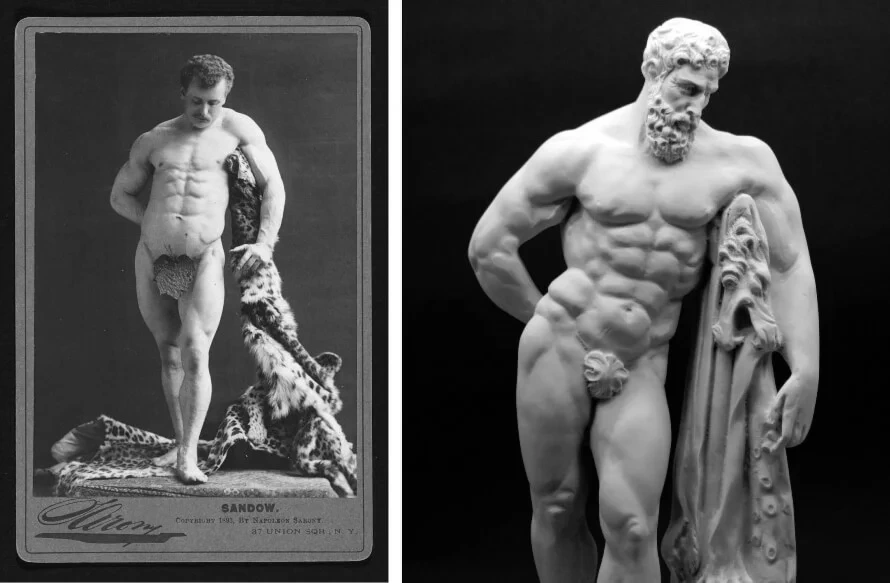
Ancient Greek artists believed the human body represented the highest form of beauty and harmony.
Rather than sculpting realistic bodies, they studied anatomy to create ideal proportions that symbolized perfection.
The classical physique included:
- Broad shoulders
- Narrow waist
- Balanced limbs
- Defined musculature
For the Greeks, symmetry represented strength, virtue, and intellectual excellence.
These ideals would influence art, athletics, and eventually bodybuilding for centuries.
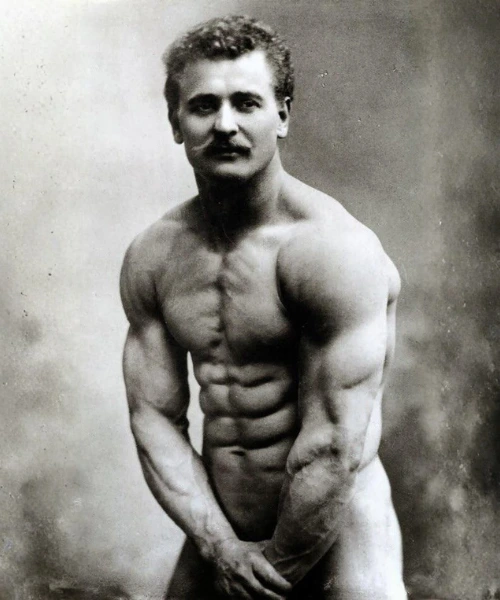
Early Bodybuilding & The Birth of Modern Symmetry
During the late 19th century, the physical culture movement introduced a new philosophy: the body could be trained like a sculpture.
Eugen Sandow led this movement by promoting physiques modeled after classical Greek statues.
Rather than focusing solely on strength, Sandow emphasized:
- proportion
- balance
- visual symmetry
This approach transformed bodybuilding into an art of physique design.
The Golden Age of Bodybuilding
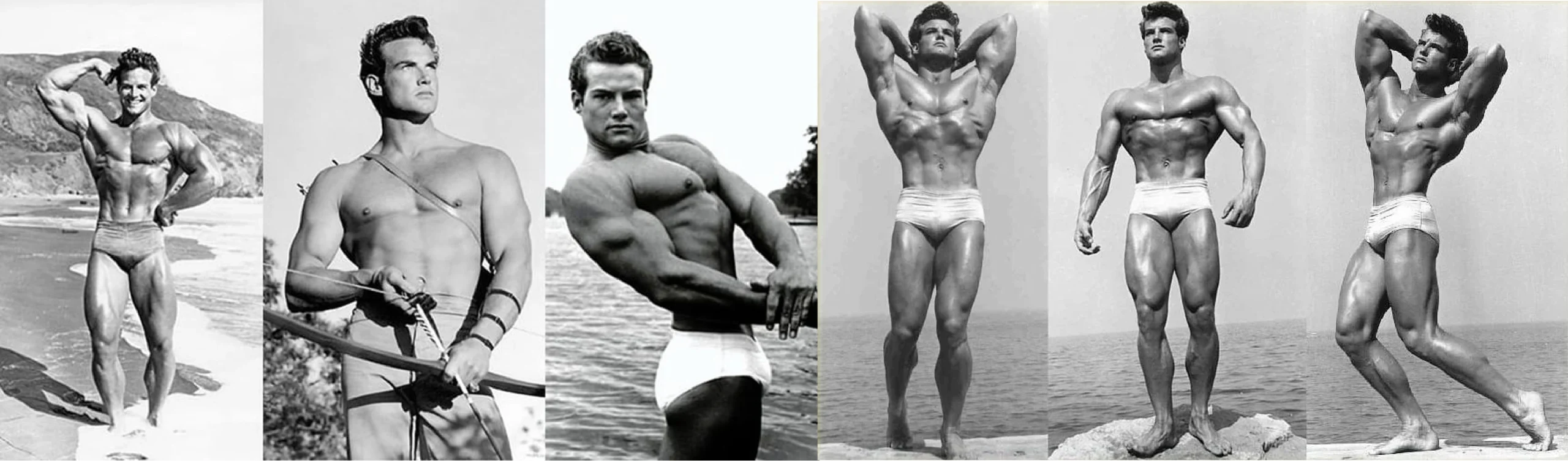
The mid-20th century became known as the Golden Era, when symmetry and aesthetics defined the ultimate physique.
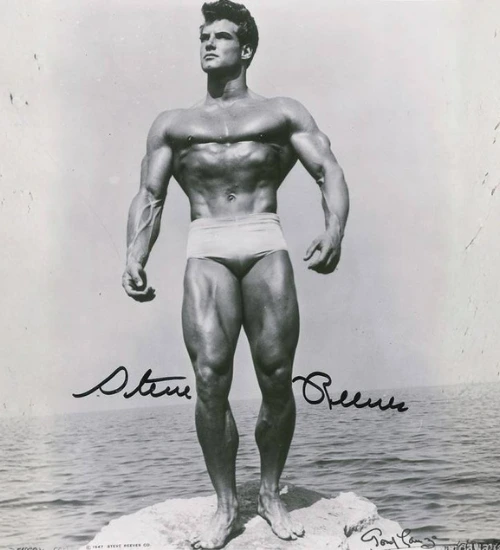
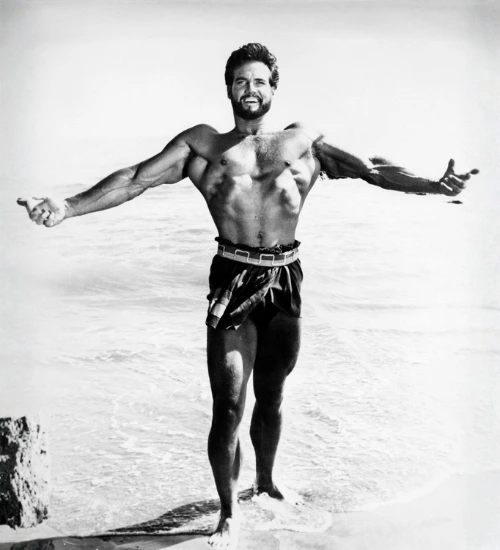
● Steve Reeves
The embodiment of the classical physique with perfect proportions and a small waist.
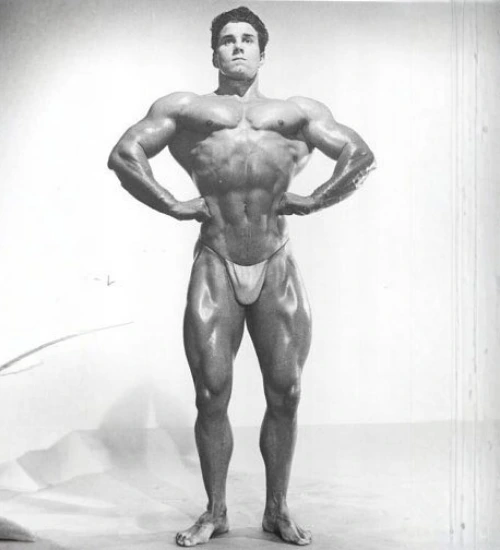
● Reg Park
Combined size symmetry, bridging classical aesthetics with evolv bodybuilding mass.
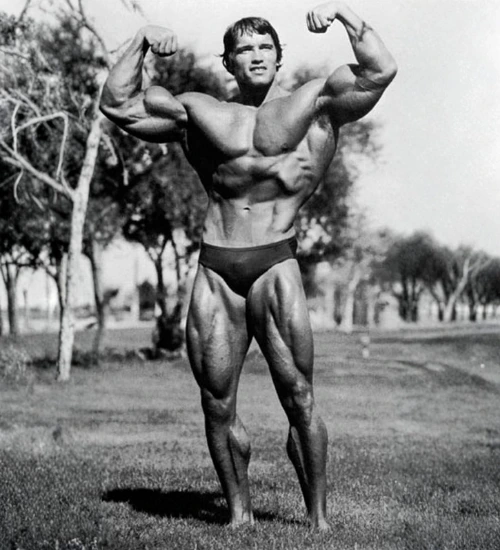
● Arnold Schwarzenegger
Brought charisma, size, and near-perfect balance to the global stage.
Together, these athletes established the aesthetic standard still admired today.
Muscle Symmetry Defined
A symmetrical physique is not just about size—it’s about proportional balance across the entire body.
Key elements include:
- Upper-to-lower body balance
- Left-to-right muscle equality
- The V-taper (shoulders to waist ratio)
- Arm-to-leg proportion
- Muscle shape and visual flow
Symmetry creates the difference between looking muscular and looking complete.
Modern Bodybuilding: Mass vs. Aesthetics
Modern bodybuilding has pushed muscular size to extreme levels.
However, a renewed appreciation for classical balance has emerged through the Classic Physique division, which celebrates the principles of aesthetic bodybuilding.
This movement reconnects modern bodybuilding with its original artistic roots—where the goal was not just size, but the creation of a balanced and visually striking physique.
Why Symmetry Still Matters
Symmetry remains timeless because it delivers both visual beauty and athletic functionality. True symmetry requires discipline, patience, and vision.
A balanced physique:
✓ Looks more athletic and natural
✓ Improves movement and performance
✓ Reduces injury risk by promoting balanced strength
✓ Creates a striking presence from every angle
A Timeless Ideal
From the marble statues of Ancient Greece to the legendary physiques of bodybuilding’s golden era, symmetry has always defined the ideal human form. While fitness trends evolve, the principles of balance, proportion, and harmony remain eternal.
The pursuit of symmetry is not just training.
It is the art of sculpting the human body.
Build. Refine. Balance.
Shape your body like an artist creates a masterpiece.
Build muscle where needed, refine areas through conditioning, and achieve a symmetrical physique through precision and consistency.